
EUROGATE and CMA Terminals form strategic partnership for Hamburg terminal expansion
EUROGATE and CMA Terminals have agreed on a strategic partnership involving the CMA CGM Group acquiring a 20 percent minority stake in EUROGATE Container Terminal Hamburg. The collaboration aims to strengthen the Hamburg hub for the French shipping group whilst jointly developing and expanding the terminal’s capacity.
Under the agreement, CMA CGM Group, through subsidiary CMA Terminals, will acquire a 20 percent share in the existing EUROGATE Container Terminal Hamburg. The partnership is linked to the planned “Westerweiterung” (Western Expansion) project in the Port of Hamburg, a large-scale development including creation of new terminal space by filling in part of the existing harbour basin; construction of a quay wall exceeding one kilometre in length and two new berths capable of handling ultra-large container vessels; and significant increase in annual handling capacity, with estimates suggesting up to 2 million TEUs of new capacity.
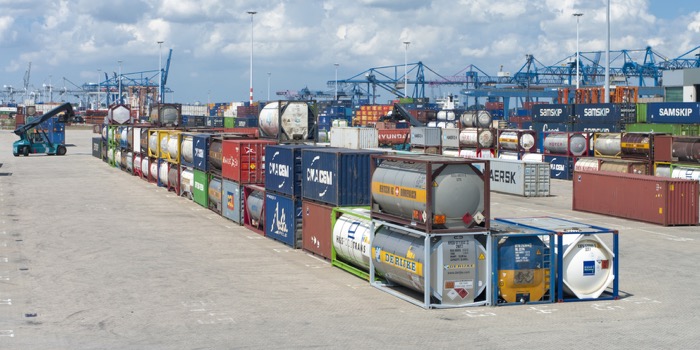
The expansion plan includes major investment of at least €700 million by EUROGATE to transition the terminal from manual operations to a highly automated system. This involves use of electric, autonomously guided vehicles for container movement and full electrification of handling equipment, contributing to decarbonisation goals.
For CMA CGM, which already accounts for a significant portion of vessel traffic at the CTH terminal, the investment secures presence in a crucial European logistics hub and enhances its network of port infrastructure. Whilst planning for the expansion has received legal approval, public funding of approximately €1.1 billion from Hamburg Port Authority is subject to European Commission approval under state aid rules, with results expected in 2026.
The partnership is seen as a key decision to help secure a positive future for the Port of Hamburg and enhance its competitiveness against other major European ports including Rotterdam and Antwerp. The Western Expansion project addresses capacity constraints at Hamburg whilst modernising infrastructure to accommodate the largest container vessels calling Northern European ports.
CMA CGM’s equity participation aligns the shipping line’s strategic interests with terminal development, providing investment capital supporting expansion whilst securing long-term access to Hamburg gateway capacity. The 20% minority stake gives CMA CGM significant involvement without operational control, which remains with EUROGATE.
Automation and electrification initiatives support operational efficiency, safety improvements, and emissions reduction objectives. Automated guided vehicles eliminate diesel-powered horizontal transport equipment, whilst electrified cranes and handling systems reduce direct emissions from terminal operations. These investments address port sustainability objectives and regulatory requirements for emissions reduction.
Hamburg’s position as Germany’s largest port and Northern Europe’s third-largest container port creates strategic importance for shipping lines serving German industrial markets and Central European hinterland. CMA CGM’s significant existing traffic at the terminal reflects Hamburg’s role in the shipping line’s European network.
The public funding element requiring European Commission state aid approval reflects substantial public investment in port infrastructure. Hamburg Port Authority’s €1.1 billion contribution toward the Western Expansion addresses infrastructure costs including basin infilling, quay wall construction, and landside connections. Commission approval requires demonstrating that public funding serves legitimate public interest without distorting competition.
The 2026 timeline for Commission decision creates uncertainty regarding project advancement, as EUROGATE’s private investment in automation likely depends on confirmation of public infrastructure funding enabling terminal expansion. This interdependency between public and private investment is common in major port development projects requiring coordination between port authorities providing basic infrastructure and terminal operators investing in handling equipment.
Competition with Rotterdam and Antwerp drives Hamburg’s expansion strategy, as these rival ports have pursued capacity additions and infrastructure modernisation attracting shipping line calls and cargo volumes. Maintaining competitiveness requires Hamburg to offer modern facilities, adequate capacity, and efficient operations meeting shipping lines’ operational requirements.
The partnership exemplifies trends toward closer relationships between shipping lines and terminal operators, with carriers seeking strategic stakes in key terminals ensuring capacity access and operational influence whilst terminal operators gain committed customers and capital partners supporting expansion investments.
For more information visit www1.eurogate.de
13 November 2025