

Russia approves LNG terminal in Kamchatka
Japan has signed a series of energy cooperation deals with Russia spanning renewables to hydrogen and ammonia, as well as reaching a basic agreement to participate in the Kamchatka LNG reloading and storage terminal project, as it strives to accelerate efforts toward carbon neutrality while ensuring immediate supply.
The series of agreements took place on the side-lines of the Eastern Economic Forum in Vladivostok, and included a joint statement between the Japanese minister of economy, trade and industry Hiroshi Kajiyama and Russian energy minister Nikolay Shulginov.
The joint statement outlined bilateral cooperation in areas including renewable energy, hydrogen, fuel ammonia, carbon capture and storage, carbon capture utilisation, and carbon recycling, a METI official said.
METI also signed a memorandum of cooperation with Russia’s Novatek on hydrogen, ammonia, CCS, CCU and carbon recycling. The agreement covers production and marketing of ammonia and hydrogen as well as implementing CCS technology in Russia and Japan, Novatek said separately.
“The memorandum expands inter-governmental support for our climate projects that is of great importance for the successful implementation of Novatek’s strategic plans to further increase LNG production while correspondingly reducing our carbon footprint,” Novatek CEO Leonid Mikhelson said in a statement.
Novatek also signed a strategic cooperation agreement with the state-owned Japan Bank for International Cooperation on low-carbon projects.
Japan’s signing of cooperation agreements with Russia is the latest in its efforts to deploy large-scale hydrogen and ammonia supply chains after signing similar deals with the UAE, as well as marking the first ministerial level cooperation on fuel ammonia.
Japan’s Mitsui OSK Lines said it signed a letter of intent with Russia’s State Transport Leasing Co or GTLK, on MOL’s participation in the Kamchatka and Murmansk LNG reloading and storage terminal projects, by potentially taking a 49 percent stake in the floating storage units currently wholly owned by GTLK.
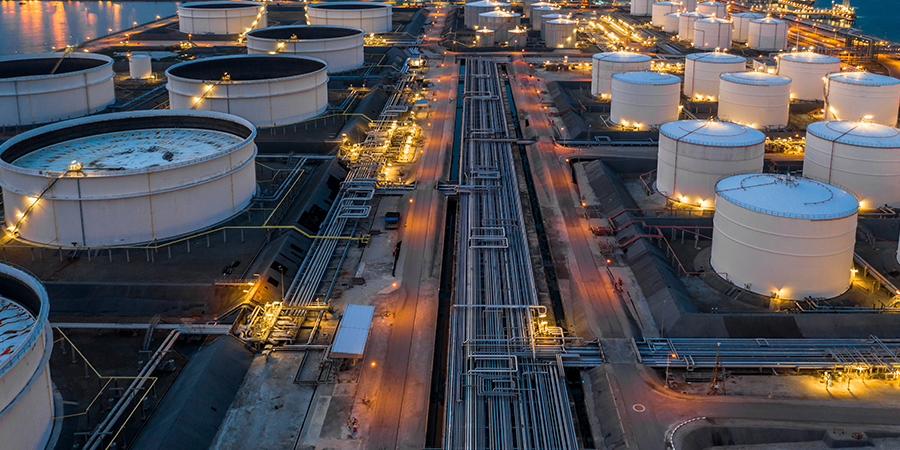
The two FSUs, which would have the world’s largest storage capacity of about 360,000 m3, will be placed at each of Bechevinskaya Bay in the Kamchatka Territory and Ura Bay at Murmansk after being built.
The latest development comes as Japan more broadly considers participating in LNG reloading and storage terminals, including the one planned on the Kamchatka Peninsula, as part of its efforts to diversify supply sources and expand the Asian LNG market, a Japanese government official said.
For Japan, participating in the Kamchatka reloading and storage terminal project marks a milestone for securing a new LNG supply route, which could enhance its energy security as well as help drive LNG trades in Asia.
For more information visit www.mol.co.jp
9th September 2021