
Suttons publishes a complete guide to transporting hydrochloric acid
The transportation of hazardous materials by road is a vital component of modern society, ensuring the safe delivery of critical substances essential to numerous industries. Suttons Transport recognises the importance of efficiently transporting hazardous materials while maintaining safety as a top priority. Among the many substances transported by Suttons, hydrochloric acid stands out as one of the most commonly moved materials due to its significant industrial and commercial applications.
Hydrochloric acid is produced by dissolving hydrogen chloride gas in water and is known for being highly corrosive. Typically, it appears as a colourless or slightlyles yellow liquid when in solution and is transported in its liquid state. Given its reactive nature, especially with strong alkalis, special precautions are required to handle and transport it safely.
Hydrochloric acid plays a crucial role as a by-product in various chemical processes and is used extensively across multiple sectors. Its widespread use in industrial processes makes it a highly demanded material for transportation.
Key Uses of Hydrochloric Acid
Hydrochloric acid is indispensable in various industries and daily applications. Some of its most prominent uses include:
- Laboratories: The acid is used as a vital reagent for titrations and experimental processes, including dissolving metal samples and sanitising lab equipment. It is also integral to protein hydrolysis, where proteins are broken down into amino acids for analysis.
- Cleaning and Sanitation: Hydrochloric acid’s corrosive properties make it a key ingredient in intensive cleaning products such as toilet and tile cleaners, used to remove tough stains.
- Steel Pickling: It is used in steel pickling to remove rust and impurities from steel surfaces, often employed in automotive repairs and tool maintenance.
- Neutralisation: The acid is commonly utilised to regulate the acidity of solutions, such as in swimming pool pH control.
- Food Processing: Hydrochloric acid is used to enhance food flavour, reduce spoilage, and extend shelf life during processing.
Its versatile applications further underscore the importance of transporting hydrochloric acid safely and efficiently, ensuring industries can continue their operations seamlessly.
Given hydrochloric acid’s hazardous classification due to its corrosive nature, Suttons adheres to stringent ADR (Agreement Concerning the International Carriage of Dangerous Goods by Road) regulations. These regulations, established by the United Nations Economic Commission for Europe, ensure the safe and compliant transport of dangerous goods.
The transportation process for hydrochloric acid follows strict guidelines, which include:
- Proper Classification: Hydrochloric acid is classified as a Category 2 or 3 hazardous substance depending on its strength.
- Documentation: All shipments are accompanied by appropriate documentation, ensuring compliance with regulations and safety protocols.
- Vehicle Standards: The transportation vehicles must meet specific standards, including the use of proper equipment and hazard markings.
- Packaging: Safe containment is a priority, with hydrochloric acid stored in corrosion-resistant tanks.
- Certified Drivers: All Suttons drivers hold ADR Vocational Training Certificates and undergo continuous training to handle hazardous materials safely.
The Process of Transporting Hydrochloric Acid
Suttons has developed a comprehensive and robust process for transporting hydrochloric acid, ensuring that each step is conducted with the highest safety standards.
Before transport, Suttons conducts thorough inspections of the pump systems and sealed connectors to prevent leaks during the transfer of hydrochloric acid from tank to tank. Personnel involved in the process are required to wear appropriate personal protective equipment (PPE), including goggles, gloves, protective clothing, and face shields.
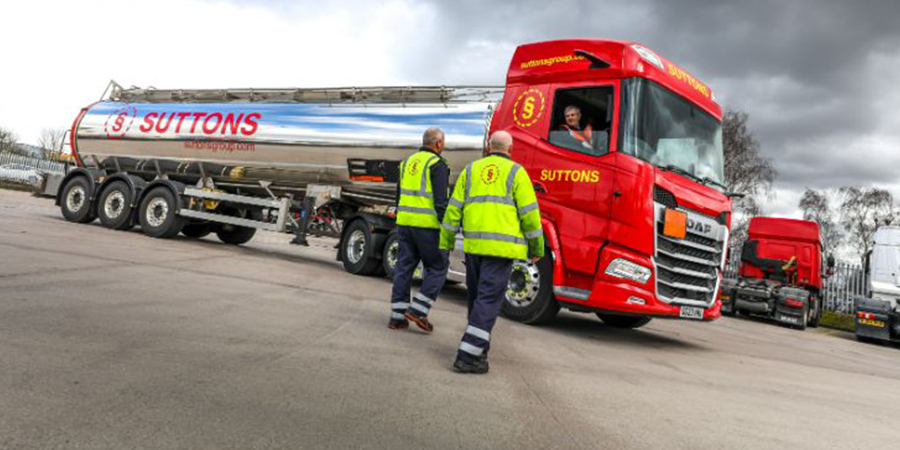
Suttons’ tankers are designed to transport hazardous chemicals like hydrochloric acid, equipped with corrosion-resistant materials such as stainless steel and rubber linings. The tankers also have pressure-release valves to prevent accidents caused by pressure build-up during transit.
Before embarking on any journey, routes are meticulously planned to ensure the safe delivery of the acid, often in collaboration with local authorities to secure necessary permits. All tankers are equipped with spill containment systems and sensors to prevent overflow during loading and unloading processes.
Suttons employs the same stringent safety standards when unloading hydrochloric acid. Drivers carefully follow unloading procedures, which include grounding the tanks to prevent static discharge and using sealed couplings to avoid spills.
After transportation, Suttons follows strict post-transport procedures to drain hoses, inspect tankers, and complete all necessary documentation. These steps ensure that the hazardous material is safely delivered and that all potential risks are addressed.
Suttons is committed to maintaining environmental safety throughout the entire transportation process. Continuous risk assessments and evaluations of tanker conditions are conducted to minimise the potential for accidents. Suttons also trains its drivers extensively to handle emergency situations and contain any potential spills.
Suttons Tankers stands at the forefront of hazardous material transportation, offering reliable and safe delivery services for essential chemicals like hydrochloric acid. Through a commitment to safety, compliance with ADR regulations, and the use of advanced technologies, Suttons ensures that each delivery is handled with care. The company’s focus on environmental and public safety positions it as a leader in chemical logistics, dedicated to efficient and responsible transportation.
For more information visit www.suttonsgroup.com
4 October 2024